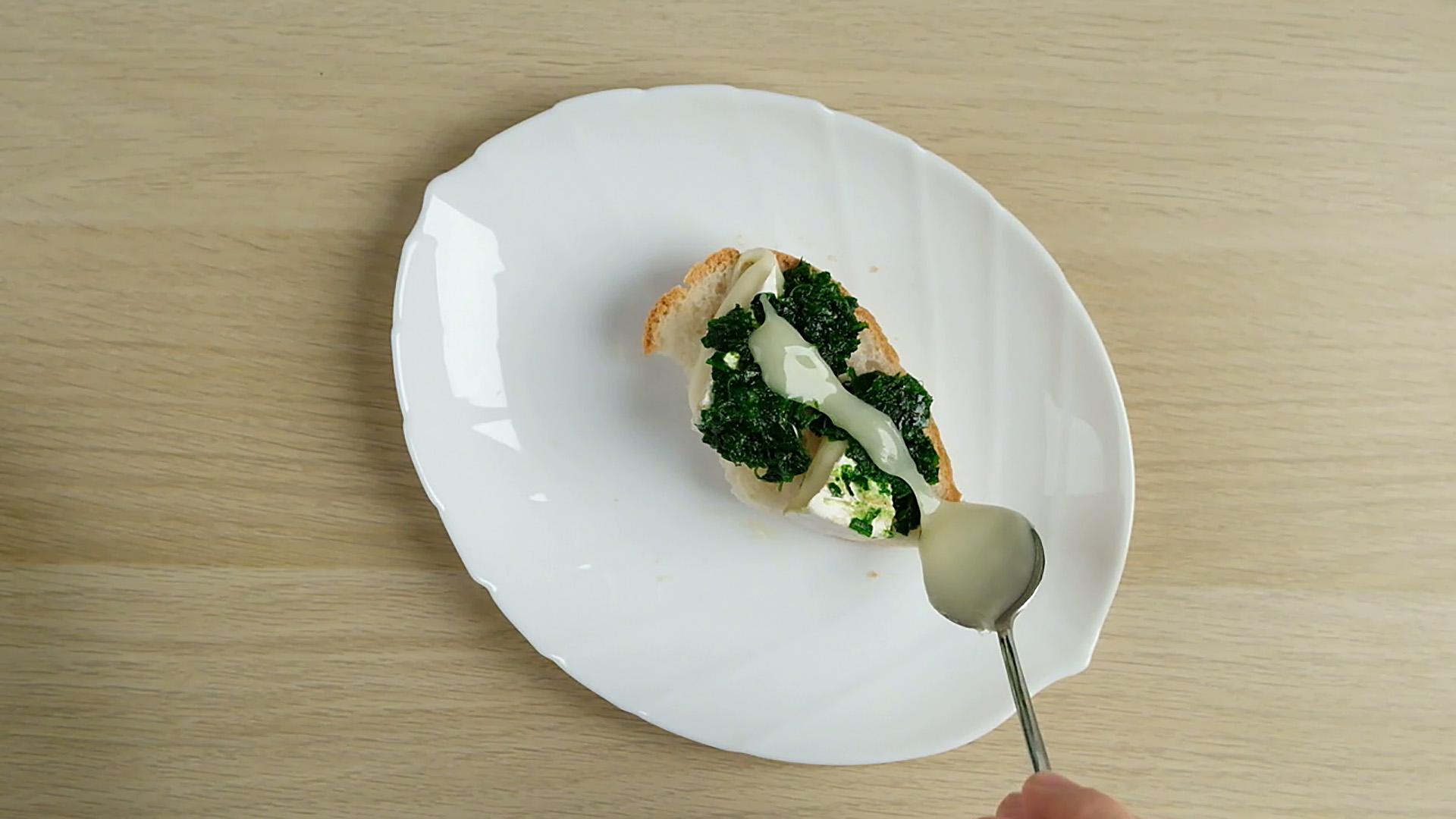
Brie cheese, with its seductive creamy texture and luxurious flavor, has captivated connoisseurs and casual eaters alike for centuries. This soft, French delicacy, often gracing sophisticated cheese boards or adding an elegant touch to a quiet evening, holds a special place in the culinary world. Yet, for those new to its charm, questions often arise: how to eat brie cheese correctly? Should you embrace the rind or politely set it aside? How does one serve it to maximize its potential?
Far from being intimidating, mastering the art of eating brie is a delightful journey that promises to elevate your enjoyment of this exquisite cheese. This comprehensive guide will demystify the process, offering expert tips and a clear rind guide, ensuring your next brie experience is nothing short of professional.
The Allure of Brie: What Makes This Cheese So Special?
At its heart, brie is a soft-ripened cow's milk cheese, distinguishable by its velvety white rind and an interior that ranges from firm to decadently gooey, depending on its ripeness. Its flavor profile is typically mild, buttery, and earthy, with subtle mushroom notes that grow more pronounced with age. Originating from the Brie region of France, it has become a global staple, cherished for its versatility and unique characteristics.
One of brie's most fascinating qualities is its ripening process, which occurs from the outside in. This unique maturation, facilitated by the surface mold (Penicillium candidum), transforms the cheese, creating that signature luscious, flowing texture when perfectly ripe. This gradual softening sets it apart from harder cheeses, making it ideal for spreading, baking, or simply savoring on its own. Whether you're planning a grand gathering or a simple snack, brie's elegant presentation and universally appealing taste make it a perennial crowd-pleaser.
Decoding Brie: Varieties and Nutritional Insights
While most grocery stores stock a standard, delightful brie, the world of brie cheese is surprisingly diverse, offering a spectrum of experiences for the adventurous palate.
Exploring Brie Varieties
- Traditional Bries: Look for classics like Brie de Meaux, known for its rich, complex, and earthy flavor with a distinct aroma. Brie de Melun offers a slightly tangier, more robust profile, though it's less commonly found outside France.
- Pasteurized vs. Raw Milk: Depending on regional regulations, brie can be made from pasteurized or raw milk. Raw milk bries often boast a more intense and nuanced flavor profile.
- Flavored Bries: For those seeking an extra dimension, some bries are infused with herbs, truffles, or garlic, adding exciting new layers of taste.
- Double and Triple-Cream Bries: These indulgent varieties have extra cream added during production, resulting in an even richer, more decadent, and buttery texture with a higher fat content. They are incredibly luxurious and melt-in-your-mouth soft.
When selecting your brie, check the labels for origin, milk type, or any added flavor notes. Each variation offers a slightly different journey, inviting you to discover your personal favorite.
Beyond Delicious: The Benefits of Brie Cheese
Brie isn't just a treat for the taste buds; it also offers a surprising array of nutritional benefits:
- Protein Powerhouse: Like most cheeses, brie is an excellent source of high-quality protein, essential for muscle repair and growth.
- Bone Health: It's rich in calcium, crucial for maintaining strong bones and teeth.
- Healthy Fats: Brie contains healthy fats, which contribute to satiety and provide energy.
- Probiotics: Unpasteurized brie, in particular, can contain beneficial probiotics, which support gut health and digestion.
- Mindful Indulgence: Its rich flavor and satisfying texture encourage slower, more mindful eating, allowing you to savor each bite and feel more satisfied.
Moreover, the mere act of serving brie can elevate any social gathering, transforming a simple spread into an elegant affair. Its versatility extends beyond the cheese board, making it a fantastic ingredient for cooking and baking.
Your Expert Guide to Eating Brie Like a Pro: The Rind and Beyond
The quest for mastering how to eat brie cheese culminates in a few key principles: selecting the right cheese, serving it at its peak, and enjoying it with complementary flavors. But before we dive into the steps, let's address the most common and often debated question: the rind.
The Rind Guide: To Eat or Not to Eat?
This is perhaps the most frequent query surrounding brie. The unequivocal answer from cheese experts is: yes, the rind is absolutely edible, and encouraged!
- Flavor Contribution: The white, bloomy rind of brie is created by a harmless mold, Penicillium candidum. This rind is not just edible; it's an integral part of the cheese's flavor profile, imparting earthy, mushroomy, and sometimes slightly pungent notes that beautifully complement the creamy interior. Eating the rind with the paste (the soft interior) provides the full, intended flavor experience. Think of it like eating the crust of a good artisan bread – it’s part of the whole.
- Texture Contrast: The slightly firmer rind offers a delightful textural contrast to the soft, gooey interior, enhancing the overall sensory experience.
- When to Consider Removing It: While rare for quality brie, if the rind is unusually thick, overly bitter, or if you simply have a strong personal aversion to its taste or texture, you can trim it. However, we highly recommend trying it first. You might be surprised by how much it enhances the experience!
Step 1: Selecting the Perfect, Ripe Brie
The foundation of a great brie experience begins with selection. A perfectly ripe brie is key:
- The Touch Test: Gently press the center of the brie wheel or wedge with your thumb. It should yield slightly, feeling soft but not overly runny or firm. A hard, unyielding center indicates underripeness, while a completely liquid center might suggest it's past its prime.
- Visual Inspection: Look for a creamy white rind that is uniform in color, without any significant cracks or dark spots.
- The Scent Check: A mild aroma of mushrooms, earth, or a hint of ammonia is normal and indicates a healthy rind. A strong, overpowering ammonia smell, however, suggests the cheese is overripe.
Step 2: The Importance of Temperature
This step is non-negotiable for true brie enjoyment. Always serve brie at room temperature.
- Why it Matters: When chilled, brie's flavors are muted, and its texture is firm and waxy. As it warms, its buttery notes bloom, its earthy aromas intensify, and its interior softens to that wonderfully gooey, spreadable consistency.
- How To Do It: Remove your brie from the refrigerator approximately 30-60 minutes before you plan to serve it. For larger wheels, you might need a bit more time.
Step 3: The Art of Slicing and Serving
Proper slicing ensures everyone gets a piece of that glorious rind and creamy interior:
- Tools: Use a sharp, thin-bladed knife, or ideally, a cheese wire, to prevent the soft cheese from sticking and tearing.
- Cutting a Wheel: For a full wheel, cut wedge-shaped slices from the center outwards, like a pie. Avoid cutting off just the nose or center, which deprives others of the full brie experience.
- Presentation: Arrange slices on a simple cheese board or platter. Allow the brie to be the star, perhaps accompanied by a few carefully chosen pairings.
For more detailed guidance on presentation and cutting techniques, consider exploring Mastering Brie: Your Expert Guide to Rind, Serving, and Pairing.
Step 4: Pairing Perfection – What to Enjoy with Brie
Brie's mild, buttery profile makes it incredibly versatile for pairings that enhance its flavor without overpowering it.
- Carbohydrates: A crusty baguette, plain water crackers, or artisan bread provide the perfect vehicle for scooping up creamy brie.
- Fruits: Fresh apples, pears, grapes, or figs offer a sweet and refreshing counterpoint to brie's richness. Dried fruits like apricots or cranberries also work beautifully.
- Nuts: Walnuts, pecans, or almonds add a delightful crunch and earthy notes that complement the cheese.
- Sweet Accompaniments: A drizzle of honey, fig jam, apricot preserves, or quince paste adds a touch of sweetness that perfectly balances brie's savory depth.
- Wine Pairings:
- Sparkling: Champagne, Prosecco, or other sparkling wines cut through brie's richness beautifully.
- White: Crisp Sauvignon Blanc, Chardonnay (unoaked), or a light Pinot Grigio are excellent choices.
- Red: Opt for light-bodied, fruity reds like Pinot Noir or Beaujolais to avoid overwhelming the cheese.
- Beer Pairings: Lighter lagers, wheat beers, or even a dry cider can be surprisingly good companions.
Elevating Your Brie Experience: Beyond the Basics
Once you've mastered the fundamentals of how to eat brie cheese, you can explore creative ways to integrate it into your culinary repertoire.
Brie in the Kitchen: Cooking with This Versatile Cheese
Brie's meltability and creamy texture make it a fantastic cooking ingredient:
- Baked Brie: The quintessential appetizer! Wrap a wheel of brie in puff pastry with a dollop of jam (fig, raspberry) or honey and bake until golden and gooey.
- Sandwiches & Paninis: Add slices of brie to grilled cheese, turkey sandwiches, or a gourmet panini with apple slices.
- Omelets & Quiches: Brie melts wonderfully into eggs, adding richness and flavor.
- Crostini & Tarts: Top toasted bread with warm brie and various garnishes for elegant appetizers.
Storage Tips for Freshness
To keep your brie in optimal condition, wrap it loosely in parchment or wax paper (allowing it to breathe) before encasing it in foil or plastic wrap. Store it in the coldest part of your refrigerator. Consume within a week or two of opening for the best flavor and texture. For more insights on optimal enjoyment, refer to Eat Brie Correctly: The Ultimate Guide to Selection & Enjoyment.
Conclusion: Embrace the Brie Experience
Eating brie cheese correctly is less about strict rules and more about understanding its nature to unlock its full potential. From confidently embracing the edible rind to serving it at the perfect temperature and pairing it with complementary flavors, each step enhances the luxurious experience. By following these expert tips, you're not just eating cheese; you're savoring a piece of culinary art like a true connoisseur. So, go forth, select your perfect brie, and delight in every creamy, dreamy bite!
