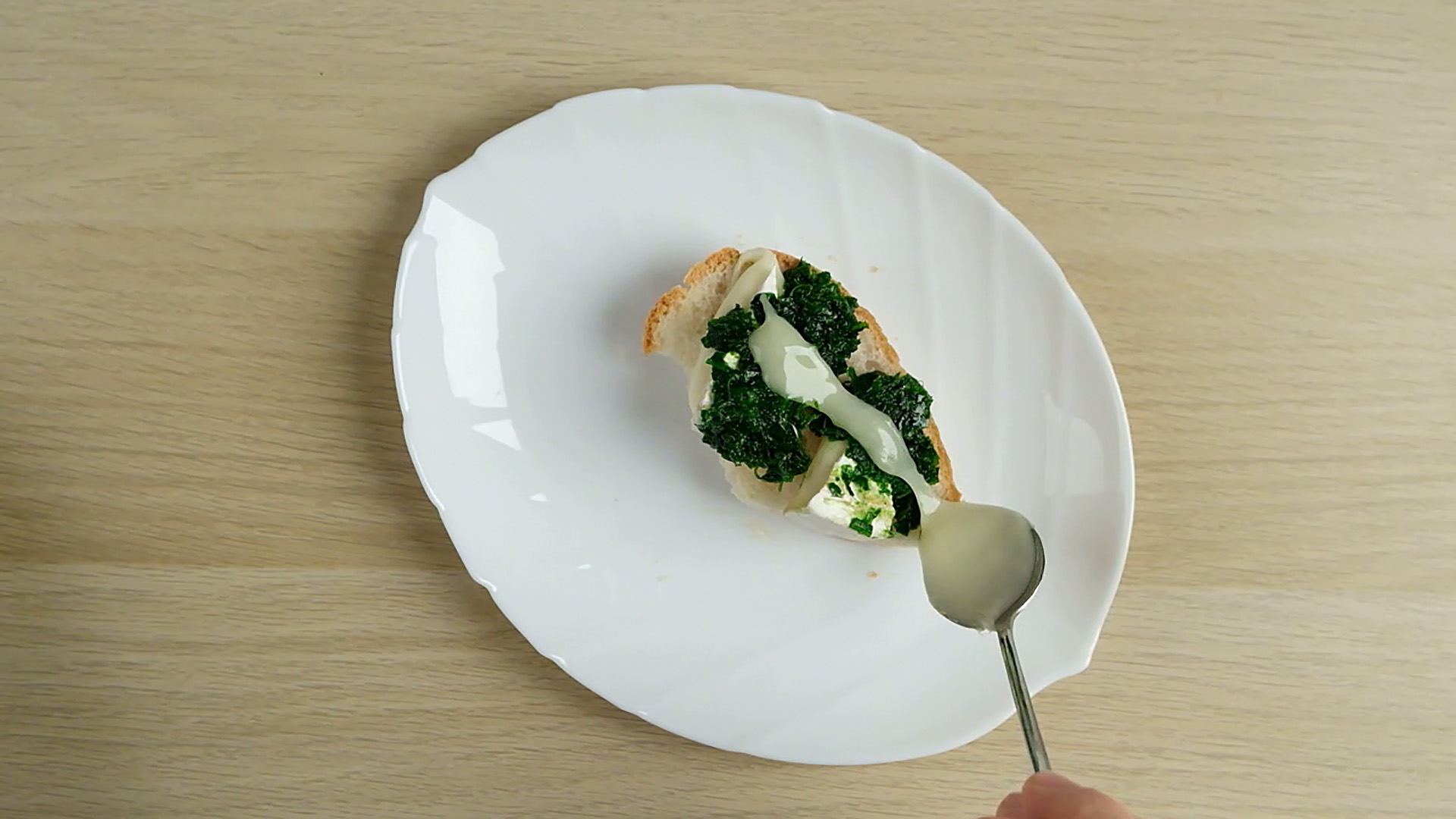
Brie cheese, with its distinctively creamy texture, delicate aroma, and rich, buttery flavor, stands as a true icon of French gastronomy. A staple at gatherings and a luxurious indulgence for a quiet night in, this soft cow's milk cheese captivates palates worldwide. Yet, for those new to its charms, the art of enjoying Brie can seem a little mystifying. Questions often arise: how to eat brie cheese correctly? Should the rind be consumed? What are the best serving practices and pairings?
This comprehensive guide aims to demystify the experience, transforming you from a novice to a connoisseur of this exquisite fromage. We'll delve into everything from selecting the perfect wheel to serving it at its peak, ensuring every bite is a sublime delight. Get ready to elevate your cheese game and savor Brie like never before.
The Allure of Brie: What Makes This Cheese So Special?
At its heart, Brie is a soft-ripened cheese, traditionally made from cow's milk, known for its pale interior and edible, bloomy white rind. Hailing from the Brie region of France, its history stretches back centuries, earning it the title "The King of Cheeses" at the Congress of Vienna in 1815. What truly sets Brie apart is its unique ripening process, which occurs from the outside in. This allows the beneficial molds on the rind to break down the proteins in the cheese, creating that characteristic gooey, unctuous texture as it matures.
Its mild, often earthy, and buttery flavor profile makes it incredibly versatile. Whether enjoyed simply spread on a baguette or incorporated into more elaborate dishes, Brie adapts beautifully. While often mistaken for Camembert, Brie typically comes in larger wheels and boasts a milder, less pungent flavor, making it an excellent entry point for those exploring soft French cheeses.
Navigating the Brie Landscape: Types & Selection Secrets
Before you even think about how to eat brie cheese, the journey begins with selecting the right one. Brie isn't a monolith; it comes in various styles, each offering a slightly different experience.
Exploring Brie Varieties:
- Brie de Meaux & Brie de Melun: These are the traditional, raw-milk Bries, often protected by AOC (Appellation d'Origine Contrôlée) or AOP (Appellation d'Origine Protégée) status. Brie de Meaux is known for its rich, earthy, often mushroomy flavor and creamy texture. Brie de Melun is typically smaller, tangier, and more robust. These varieties represent the pinnacle of Brie craftsmanship.
- Pasteurized Brie: More commonly found in grocery stores, these Bries are made from pasteurized milk. They tend to be milder and more consistent in flavor, making them ideal for beginners.
- Double & Triple-Cream Brie: For an extra luxurious experience, look for double or triple-cream Bries. These cheeses have additional cream added during production, resulting in an even richer, more decadent texture and higher fat content.
- Flavored Bries: Modern variations might include additions like truffles, herbs, or garlic, offering an intriguing twist on the classic.
Key Indicators of Perfect Ripeness:
The secret to truly enjoying Brie lies in its ripeness. An underripe Brie will be firm and chalky, while an overripe one can be excessively runny and have a strong, unpleasant ammonia odor.
- The Touch Test: Gently press the center of the wheel with your thumb. It should yield slightly, feeling soft but not overly liquid. The edges might be firmer, and that's okay, as it ripens from the outside in.
- Visual Cues: The rind should be a uniform, creamy white, sometimes with subtle reddish or brownish spots (especially in traditional Bries). Avoid wheels with dry, cracked, or excessively dark rind patches.
- Aroma: A properly ripe Brie will have a pleasant, earthy, mushroomy scent, often with notes of fresh butter. A mild ammonia smell is acceptable, but a pungent, acrid ammonia odor indicates it's past its prime.
Mastering the Art of Serving Brie: From Rind to Plate
Once you've selected your perfect wheel, understanding how to eat brie cheese involves proper preparation and serving. These steps are crucial to unlocking its full flavor and textural potential.
The Rind Debate: To Eat or Not to Eat?
This is perhaps the most common question about Brie. The short answer is: yes, the rind is completely edible! It's formed by a benevolent mold, Penicillium candidum, which is safe to consume and actually contributes significantly to Brie's complex flavor and signature aroma. It adds an earthy, slightly mushroomy note and a textural contrast to the creamy interior.
However, whether you should eat it is a matter of personal preference. Some find the rind's taste too strong or its texture unappealing. If you're new to Brie, try a small piece with the rind first. If you don't enjoy it, feel free to remove it. There's no right or wrong way, only your preferred way to enjoy it.
Temperature is Key: The Golden Rule of Brie Serving
Serving Brie straight from the refrigerator is a common mistake that robs it of its glory. Cold temperatures mute its subtle flavors and harden its luscious texture. The golden rule for how to eat brie cheese is to serve it at room temperature.
Remove your Brie from the fridge at least 30-60 minutes before serving, allowing it to slowly warm up. As it comes to temperature, the fats in the cheese soften, releasing its full aromatic bouquet and transforming its texture into that signature gooey, spreadable delight. This step alone can dramatically enhance your Brie experience.
Proper Cutting and Presentation:
For a whole wheel, cut it like a pie, starting from the center and slicing outwards. For a wedge, slice along the longer edge, ensuring each piece gets a share of the rind and the creamy interior. Using a sharp, thin-bladed knife (or even a specialized cheese knife with holes to prevent sticking) will make clean cuts.
Perfect Pairings: What to Serve with Brie
Brie's versatility shines through in its ability to pair with an array of accompaniments. Thoughtful pairings can elevate the experience, balancing and enhancing its rich flavor.
- Breads & Crackers: A crusty baguette, artisanal crackers, or even a plain water cracker provides the perfect neutral canvas for Brie.
- Fruits: Sweet and tart fruits offer a delightful contrast. Think sliced apples, pears, grapes, figs (fresh or dried), and berries.
- Nuts: Toasted walnuts, pecans, or almonds add a crunchy texture and earthy notes.
- Spreads: Honey, fig jam, apricot preserves, or a touch of fruit compote can introduce a lovely sweetness that complements Brie's savory profile.
- Charcuterie: Cured meats like prosciutto or salami are classic companions.
- Wine: Light-bodied red wines (Pinot Noir, Beaujolais), dry sparkling wines (Champagne, Cava), or crisp white wines (Chardonnay, Sauvignon Blanc) are excellent choices. For more specific recommendations, including considerations for the rind, explore Mastering Brie: Your Expert Guide to Rind, Serving, and Pairing.
- Beer & Cider: Crisp lagers, fruit-forward ciders, or even a Belgian Saison can beautifully complement Brie.
Beyond the Cheese Board: Creative Ways to Enjoy Brie
While often a star on a cheese board, Brie's adaptability means it can shine in various culinary applications. Don't limit your understanding of how to eat brie cheese to just slicing and serving!
- Baked Brie: This is a crowd-pleaser. Wrap a wheel of Brie in puff pastry, top with honey, nuts, or fruit preserves, and bake until golden and gooey. Serve with crackers or bread.
- In Sandwiches & Paninis: Brie melts beautifully, making it an excellent addition to gourmet sandwiches, especially when paired with roasted turkey, apples, or cranberry sauce.
- Salads: Crumbled or sliced Brie can add a creamy, tangy element to green salads, particularly those with nuts, fruits, and a vinaigrette dressing.
- Tarts & Quiches: Incorporate Brie into savory tarts or quiches for a rich, luxurious filling.
- Pasta Dishes: A few cubes of Brie can melt into a warm pasta dish, creating a surprisingly decadent and creamy sauce.
For even more expert tips on specific serving techniques and rind enjoyment, explore our guide on How to Eat Brie Cheese Like a Pro: Expert Tips & Rind Guide.
Conclusion: Savoring Every Moment of Brie
Mastering how to eat brie cheese correctly is less about strict rules and more about understanding its nature and respecting its delicate qualities. From selecting a perfectly ripe wheel to serving it at room temperature and pairing it with complementary flavors, each step contributes to an unforgettable culinary experience. Whether you're a purist who enjoys it simply with a baguette or an adventurous cook incorporating it into innovative dishes, Brie promises a journey of creamy, rich delight. So, next time you encounter this venerable French cheese, remember these tips, relax, and savor every exquisite bite.
